Understanding 3D Pergola Configurators
As outdoor living spaces gain prominence in modern architecture, the demand for 3D design tools continues to rise. A configuratore 3D pergola allows homeowners and designers to visualize and customize their pergola projects in a realistic, three-dimensional format. This powerful design tool not only enhances creativity but also helps in making informed decisions about outdoor structures. When exploring options, configuratore 3D pergola provides comprehensive insights that can transform your ideas into tangible designs.
What is a 3D Pergola Configurator?
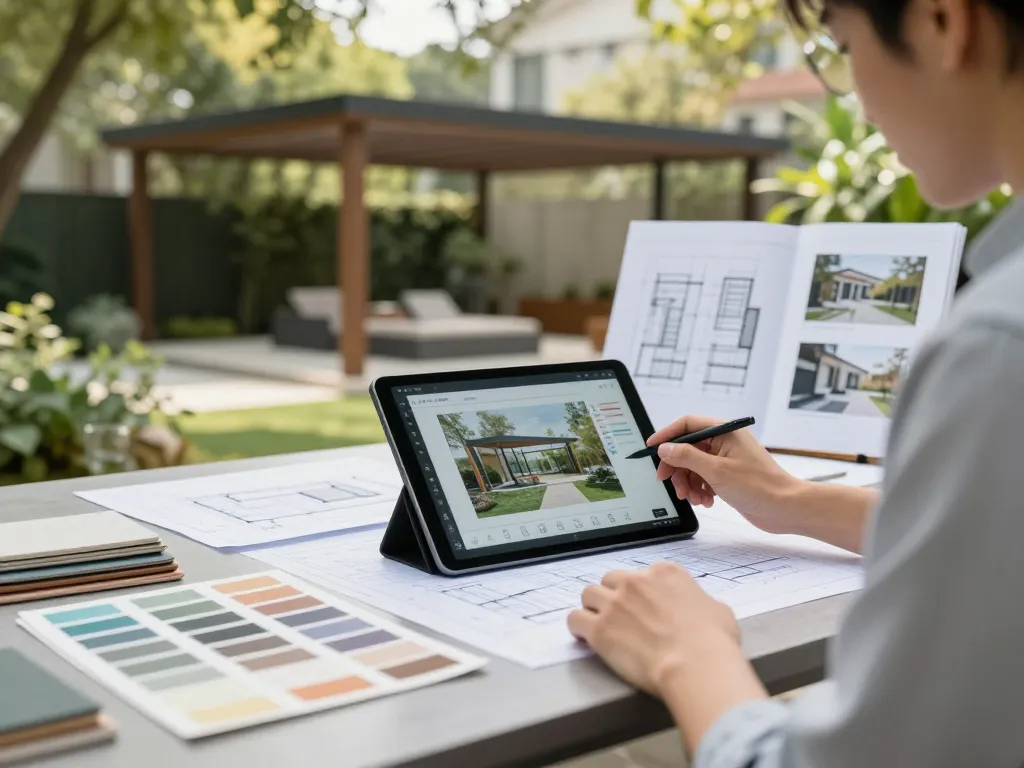
A 3D pergola configurator is an interactive software tool that enables users to design and visualize their pergola projects in three-dimensional space. This technology allows users to manipulate various design elements such as size, shape, materials, and colors with ease. The configurator updates the visual model in real time, allowing users to see how their choices influence the final design. This capability is particularly beneficial for those who may struggle to envision the space or the impact of their design choices.
Benefits of Using a 3D Pergola Configurator
- Enhanced Visualization: By using a 3D configurator, clients can get an accurate representation of how their pergola will look in its intended environment, helping them make more confident decisions.
- Improved Customization: Users can experiment with different styles, materials, and configurations to create a unique pergola tailored to their preferences and needs.
- Time Efficiency: The configurator streamlines the design process, reducing the time spent on traditional design methods, which often involve multiple revisions and sketches.
- Cost-Effective: By visualizing the project before construction, users can avoid costly mistakes and changes during the building phase.
How 3D Configurators Transform Traditional Design Methods
Traditionally, designing outdoor structures like pergolas required physical models, sketches, or even costly prototypes. This process often involved trial and error, leading to frustration and increased costs. With the advent of 3D configurators, this has changed significantly. Individuals can now create, adjust, and perfect their designs on-screen before any physical work begins, ensuring that the final product meets their exact specifications.
Features to Look for in a 3D Pergola Configurator
Customization Options Available
One of the most critical features of a 3D pergola configurator is the range of customization options it offers. Users should look for configurators that allow them to choose from various styles, materials, colors, and additional features such as lighting and privacy screens. The more options available, the better the configurator serves the unique needs of the user.
User-Friendly Interface and Design Tools
A seamless user experience is essential for any design tool. A good 3D configurator should feature an intuitive interface that makes it easy for users to navigate through different design elements. Features like drag-and-drop capabilities, zoom functions, and easy access to editing tools are essential for ensuring a smooth design process. Tutorials or help sections can also enhance usability, especially for first-time users.
Integration with Augmented Reality Technology
Augmented reality (AR) integration is a cutting-edge feature that allows users to project their designs into a real-world context using their smartphones or tablets. This technology can significantly enhance the design experience by providing a more immersive visualization of how the pergola will look in the user's outdoor space. Users should seek configurators that incorporate AR features for a more comprehensive design experience.
Step-by-Step Guide to Designing Your Pergola
Gathering Inspiration and Setting Goals
Before diving into the design process, it's essential to gather inspiration and establish clear goals for your pergola project. Start by exploring various design magazines, online platforms, and social media channels to find styles that resonate with your vision. Identify specific features you want, such as size, function, and aesthetic appeal. Setting these goals will provide clarity and direction as you move into the design phase.
Choosing Materials and Finishes
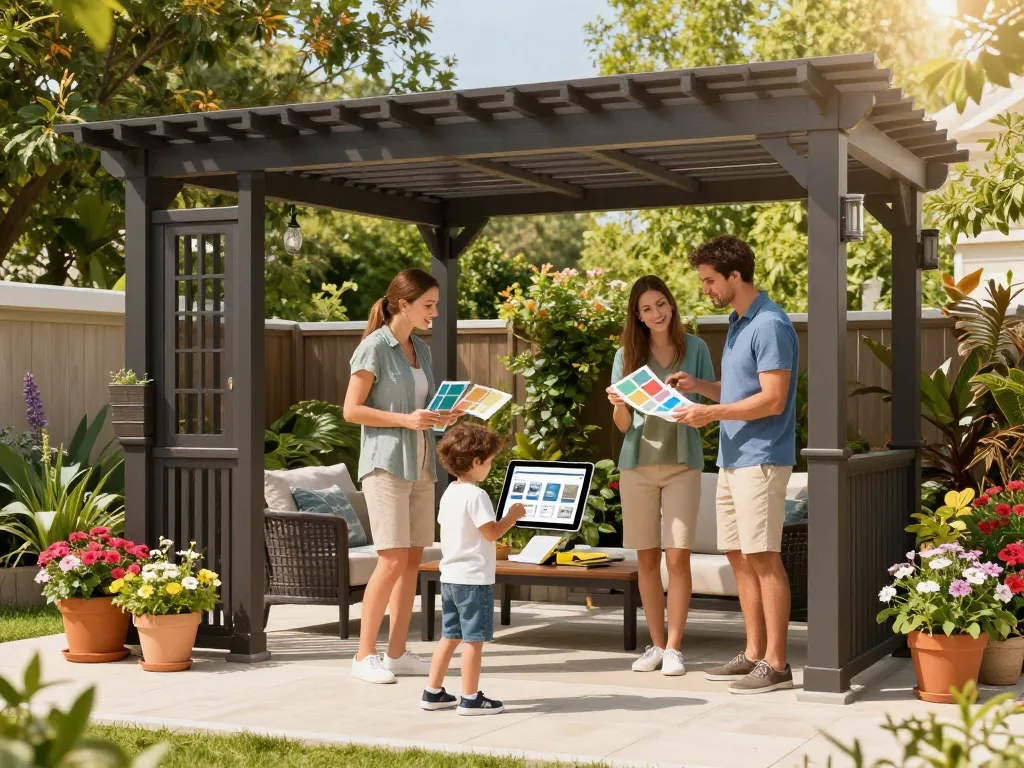
The materials you select for your pergola play a significant role in its durability, maintenance, and aesthetic appeal. Popular options include wood, aluminum, and vinyl, each offering various finishes and colors. When choosing materials, consider your local climate, maintenance preferences, and overall design aesthetic. The configurator will often provide visual samples of different materials, allowing you to see how they complement your design.
Utilizing the Configurator to Visualize Your Design
As you start to put your design together, utilize the features of the 3D configurator to visualize your ideas. Experiment with different configurations and materials, and take advantage of the real-time updates to see how changes affect the overall look of your pergola. This interactive process not only enhances creativity but also ensures that the final design aligns with your original goals.
Common Challenges When Using 3D Configurators
Technical Issues and Troubleshooting Tips
While 3D configurators are powerful tools, they can sometimes present technical challenges. Users may experience issues such as software glitches, slow loading times, or difficulties in saving their designs. If you run into problems, check for software updates, ensure your device meets system requirements, and consider clearing your browser's cache. Consulting the configurator's support resources can also provide solutions to common issues.
Understanding Software Limitations
Every software has its limitations. While 3D configurators are designed to be comprehensive, they may lack specific features or customization options that certain users require. Understanding the limitations of your chosen configurator can help manage expectations. Always review the tool's guidelines and capabilities before starting your design project to avoid frustration later on.
Overcoming Design Block and Finding Inspiration
Design block can be a common challenge, especially when faced with countless options. To overcome this hurdle, take breaks and return to your project with fresh eyes. Explore design blogs or consult with friends or family for feedback. Some configurators even provide design templates or pre-set configurations to spark creativity and provide a base to build upon.
The Future of 3D Pergola Design: Trends for 2026
Emerging Technologies in Outdoor Design
The future of outdoor design, including pergolas, is heavily influenced by technological advancements. Features like artificial intelligence and machine learning will soon allow configurators to offer personalized suggestions based on user preferences and trends. These technologies will streamline the design process and enhance user experience, making it even easier to create the perfect pergola.
Predicted Shifts in Consumer Preferences
As environmental awareness continues to grow, consumers are becoming increasingly interested in sustainable materials and designs. In the coming years, pergola designs will likely reflect this shift, with an emphasis on eco-friendly materials and energy-efficient features. The integration of solar panels and biophilic design elements will become more common as homeowners strive for greener alternatives.
How Sustainability is Shaping Outdoor Living
Sustainability is not just a trend; it's becoming a standard in outdoor living designs. Therefore, pergola manufacturers will likely prioritize sustainable practices, from sourcing materials to construction methods. Expect to see a rise in modular designs that allow for easy disassembly and recycling, contributing to a more sustainable future in outdoor living.
What features should I look for in a configuratore 3D pergola?
When selecting a 3D pergola configurator, prioritize customization options, user interface design, and integration capabilities with technologies like augmented reality. These features will enhance your design experience and ultimately lead to a more satisfying end product.
Can I integrate my configurator with augmented reality?
Many advanced 3D configurators now offer augmented reality capabilities. This integration can significantly enhance how you visualize your pergola in real-world settings, making it easier to understand scale and aesthetic appeal.
What are the costs associated with creating a pergola?
Costs can vary widely based on size, materials, and features. A basic wooden pergola might start at around $2,500, while high-end custom designs with added features like retractable canopies could easily exceed $10,000. It's essential to factor in all potential costs during the design phase to avoid surprises later.
How does a 3D configurator improve the design process?
A 3D configurator enhances the design process by allowing for immediate visual feedback and iteration. Users can experiment with various styles and layouts, refining their designs until they achieve the desired look and functionality.