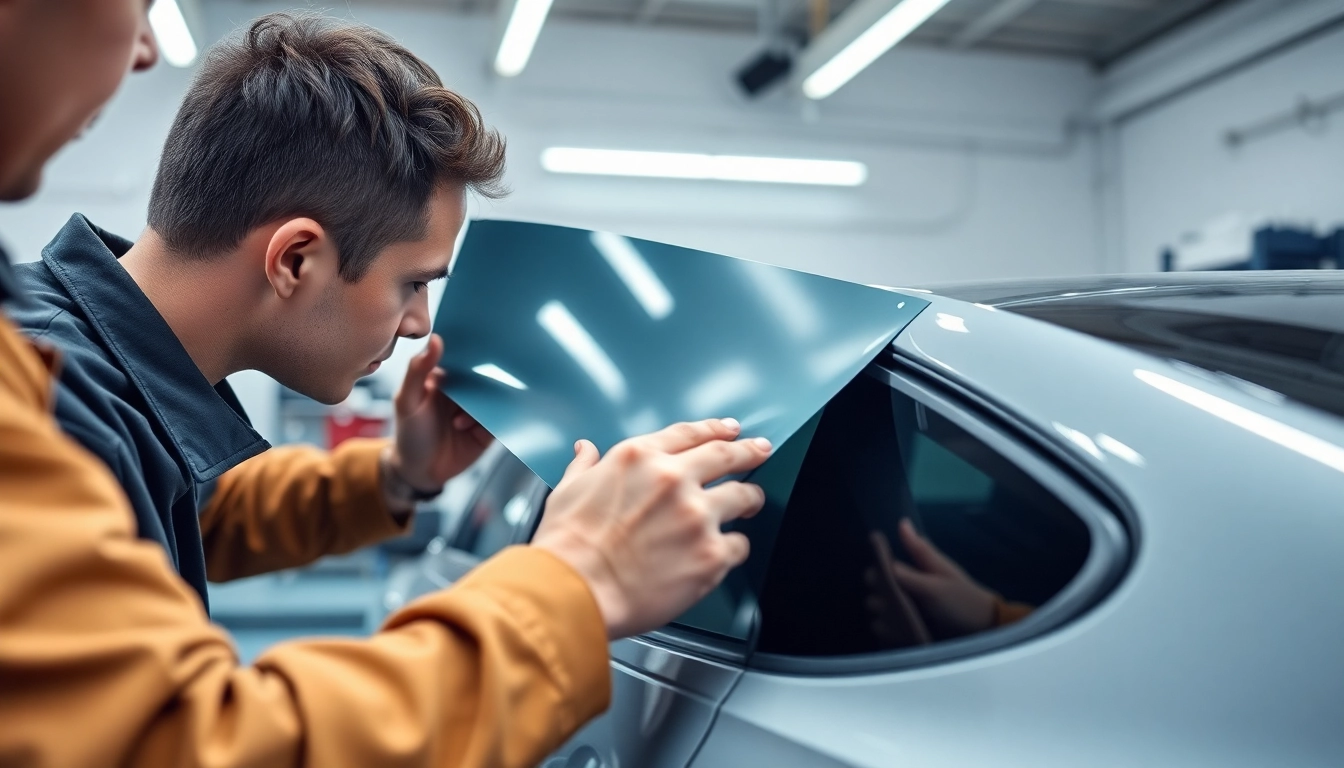
Understanding Auto Window Tint Near Me
What is Auto Window Tint?
Auto window tinting refers to the process of applying a thin film of tinted material to the windows of a vehicle. This film can significantly impact visibility, aesthetics, privacy, and protection from harmful UV rays. Generally made from polyester, window tint films come in various shades and specifications designed to cater to different preferences and needs. The installation can either be a professional job or a do-it-yourself (DIY) task, depending on the individual's skills and requirements.
Benefits of Window Tinting
The advantages of auto window tinting extend beyond mere appearance. Here are some key benefits:
- UV Protection: Tinted windows block a significant percentage of harmful UV rays, protecting both the vehicle's interior and passengers.
- Temperature Control: Tint can help regulate the temperature inside the vehicle, making it more comfortable during hot weather by reducing the need for air conditioning.
- Enhanced Privacy: Tinted windows offer increased privacy for passengers and belongings, which can deter theft.
- Glare Reduction: Tints can significantly diminish glare from sunlight and headlights, improving visibility while driving.
- Increased Safety: In the event of an accident, tinted films can help hold shattered glass fragments together, reducing the risk of injury.
Types of Window Tint Film
Window tint films come in various types, each offering different features and benefits:
- Dyed Window Film: This is a popular choice, primarily for aesthetic purposes, providing good privacy and a moderate level of heat rejection.
- Metalized Window Film: Embedded with metallic particles, this type reflects heat and enhances privacy but can interfere with electronic signals.
- Ceramic Window Film: One of the most advanced types, ceramic films offer excellent UV protection and heat rejection without disrupting electronic signals.
- Carbon Window Film: This film boasts a matte finish and high heat absorption while also blocking UV rays effectively.
- Hybrid Window Film: Combining elements of dyed and metalized films, hybrid tints aim to provide the best of both worlds.
Choosing the Right Window Tint
Factors to Consider
When selecting window tint, several factors play a crucial role:
- Climate: Consider the typical weather conditions in your area to choose a tint that provides optimal heat rejection.
- Legal Regulations: Be aware of the specific laws governing window tinting in your state, as these can differ significantly.
- Style and Purpose: Determine whether you prioritize aesthetics, privacy, heat protection, or UV screening.
- Budget: Different types of tint vary in price; assess what fits within your financial limits while meeting your objectives.
Legal Regulations for Window Tint
Each state has different laws regarding the permissible level of darkness for window tint. It is imperative to understand these regulations thoroughly to avoid penalties:
- Some states allow darker tints on rear windows while restricting front side windows.
- Front windshields often have stringent limitations, typically requiring a clear or very light tint.
- It is advisable to check local laws regarding reflective tints, as some states impose bans on certain levels.
Window Tint Options
Different window tint options cater to various needs and preferences:
- Factory Tint: Some vehicles come with factory-installed tint, which can influence your choices for additional tinting.
- Aftermarket Tint: The conventional choice, aftermarket installation allows for customization as per personal requirements.
- Pre-Cut Kits: Available for DIY enthusiasts, these kits include tint film cut to the precise size and shape of the vehicle's windows.
Finding Quality Service for Auto Window Tint Near Me
Research Local Installers
When looking for quality service providers for auto window tint near me, it is crucial to conduct thorough research:
- Utilize online directories and review platforms to compile a list of nearby installers.
- Visit the websites of local businesses to check their credentials, services offered, and customer testimonials.
- Inquire locally for recommendations to find trusted service providers from friends or family.
Customer Reviews and Ratings
Customer feedback can provide valuable insights into the quality and reliability of service providers:
- Look for businesses with high ratings and positive reviews across multiple platforms.
- Avoid providers with excessive negative feedback or unresolved complaints.
- Check how businesses respond to feedback; a professional attitude reflects a commitment to customer service.
Comparing Prices and Services
As you narrow down your options, comparative analysis becomes important:
- Request quotes from several providers, ensuring that you understand what services are included in the price.
- Don’t be swayed solely by price; value your choice based on larger service quality factors.
- Look for warranties or guarantees on products and services, as these can add to the long-term value of your investment.
DIY vs. Professional Installation
Pros and Cons of DIY Tinting
While DIY window tinting can be appealing for its cost-saving aspects, it has its pros and cons:
- Pros: Lower cost, satisfaction of completing a project yourself, flexibility to work on your timeline.
- Cons: Requires skill and precision, potential for bubbles and creases, lack of warranty compared to professional services.
Steps for DIY Window Tinting
If you decide to take the DIY route, here are key steps to follow:
- Choose high-quality tint film suitable for your vehicle.
- Thoroughly clean the windows to remove dirt and grease.
- Measure and cut the film according to the window dimensions.
- Apply the film using a solution of soapy water to allow adjustment and reduce the risk of air bubbles.
- Use a squeegee to remove excess water and smooth out the film.
- Trim any excess film and allow the tint to cure for the recommended duration.
When to Hire a Professional
In some cases, professional installation is the smarter choice:
- If you're unsure about your DIY skills or lack experience.
- When you want warranties on the tint film and installation.
- If local regulations regarding tint are complex, as a professional can navigate them more effectively.
- For high-quality films that require advanced installation techniques or equipment.
Maintaining Your Window Tint
Best Practices for Window Tint Care
Proper maintenance extends the life of your window tint. Follow these practices:
- Allow at least 48 hours before rolling down the windows after installation.
- Use non-abrasive cleaners and microfiber cloths to clean tinted windows.
- Avoid ammonia-based products, as they can deteriorate the film.
Common Issues and Solutions
Though window tint is durable, you may face occasional issues:
- Bubbles: Usually a result of moisture trapped during installation; a professional can often fix these.
- Peeling: Can occur over time; if minor, it may be reattached with heat. For more severe cases, replacement may be necessary.
- Scratches: Can be minimized by avoiding rough cleaners and tools.
Longevity of Window Tint Films
The longevity of window tint films varies based on quality and maintenance:
- High-quality window films can last anywhere from 5 to 15 years.
- Environmental factors, exposure to sunlight, and proper maintenance influence durability.
- When investing, consider the film type and manufacturer's warranty as indicators of longevity.
Frequently Asked Questions
What is the best type of window tint for cars?
Ceramic window films are considered the best due to their excellent heat rejection and UV protection without interfering with electronics.
Can window tint be removed?
Yes, window tint can be safely removed. Professional services often use special tools and techniques to avoid damage.
How long does window tint last?
High-quality window tint films can last between 5 to 15 years, depending on the type, quality, and maintenance.
Is dark tint illegal?
Legality of dark tint varies by state. Always check local regulations before installation to ensure compliance and avoid fines.
How do I clean tinted windows?
Use a soft microfiber cloth and a vinegar-water solution or a non-ammonia cleaner to gently clean tinted windows without causing damage.