
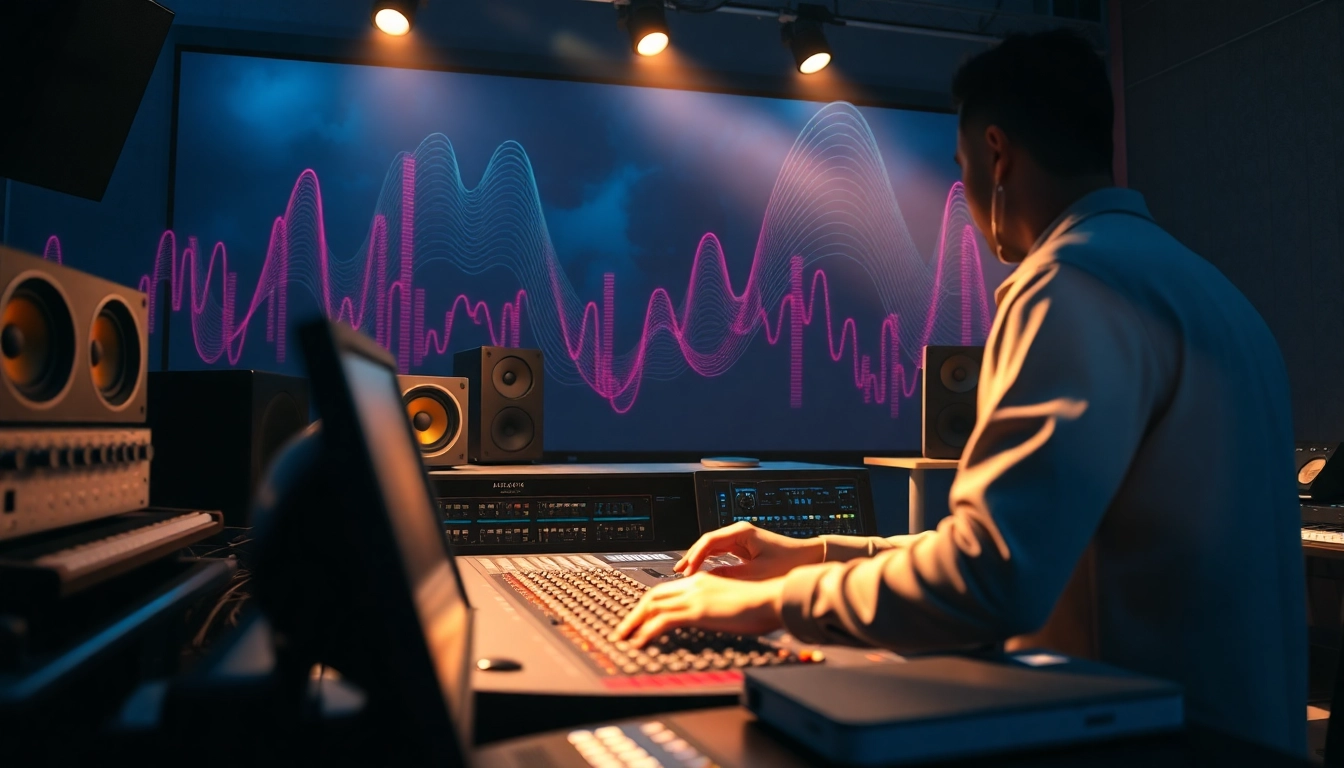
Introduction to Online Audio Mastering
Online audio mastering is an essential process in music production that finalizes a track for distribution. It converts a mixed audio project into a polished recording, ready for different listening formats, ensuring it sounds its best across all devices. The rise of digital technology has made it simpler for musicians and producers to access high-quality mastering services online. By leveraging the power of online audio mastering, creators can achieve professional results without the need for an expensive studio setup.
What is Online Audio Mastering?
Online audio mastering is the final step in music production, where a track is prepared for distribution. This process involves a range of techniques to enhance the audio’s overall sound, including equalization, compression, and limiting. Unlike mixing, which balances individual elements within a track, mastering focuses on making the final mix sound cohesive and polished, optimizing it for various playback systems. With online solutions, artists can upload their projects directly to a mastering platform, where it can be processed and refined by expert algorithms or engineers.
The Importance of Mastering in Music Production
Mastering plays a pivotal role in music production. It ensures that the audio translates well across all playback formats, from streaming platforms to radio, vinyl, and CDs. A well-mastered track not only sounds better but also reflects the professionalism of the artist. It can enhance dynamic range, provide clarity, and give the track the loudness necessary to compete in a crowded market. Ultimately, mastering is about making the music sound its best while ensuring its integrity is maintained.
How Online Audio Mastering Works
The process of online audio mastering typically involves the following steps: after uploading the final mix to a mastering platform, the audio file undergoes automated analysis where it is processed using various digital tools. This may include equalization to balance frequency levels, compression to control dynamics, and limiting to optimize loudness. Many services offer a few different mastering styles, so you can choose one that fits your genre. Once mastering is complete, the final file is made available for download, ready for distribution.
Key Elements of the Mastering Process
Understanding EQ for Online Audio Mastering
Equalization (EQ) is a fundamental tool in mastering that helps to shape the tonal balance of the track. It involves adjusting the levels of specific frequency ranges to either boost or cut certain elements. For instance, enhancing the low-end frequencies can add warmth and fullness, while cutting harsh high frequencies can create clarity. Mastering engineers often use parametric EQ for precision in balancing the overall sound of the track, ensuring it meets industry standards.
Compression Techniques in Online Audio Mastering
Compression is used in mastering to control the dynamic range of audio, ensuring that the quietest and loudest parts of the mix are well balanced. This technique involves reducing the volume of the loudest parts while making the quieter parts more prominent. Using a multi-band compressor allows mastering engineers to target specific frequency bands, achieving a more controlled sound. This approach helps the track sound polished and maintains the energy throughout the listening experience.
Limiting and Loudness for Optimal Tracks
Limiting is a vital technique in mastering that prevents audio clipping by setting a maximum level for the audio signal. This process allows tracks to achieve commercial loudness levels while avoiding distortion, which can occur if the audio is too loud. Online audio mastering services often utilize true peak limiting to ensure that the final mix remains clean across various playback devices. Understanding the balance between loudness and dynamics is crucial, and mastering engineers work to retain enough dynamic range to keep the track engaging.
Choosing the Right Online Mastering Service
Factors to Consider When Selecting a Service
When choosing an online audio mastering service, consider factors such as the reputation of the service, user reviews, and the quality of their technology. It’s essential to understand the range of options they offer, including automated versus human mastering and genre specificity. Some services also provide sample mastering, allowing you to evaluate the quality before making a commitment. Additionally, the turnaround time and customer support should be factored into your decision, as these can significantly affect your overall experience.
Comparing Features of Popular Online Audio Mastering Tools
Different online mastering platforms offer unique features that cater to various user needs. Some may focus heavily on automation for quick results, while others provide more extensive customization options for seasoned audio professionals. Look for features such as the ability to choose different mastering styles, built-in tools for analysis, and the option for multiple output formats. By comparing these features, you can find a service that best fits your specific goals and workflow.
Pricing Models for Online Audio Mastering Services
The pricing for online audio mastering services varies widely based on factors like the service’s features and the expertise of their engineers. Some platforms offer pay-per-track services, while others provide subscription models for frequent users. Consider what fits your budget and needs – a one-time project may be well-suited for pay-per-track options, while ongoing projects might benefit from monthly subscriptions. Understanding the pricing structure helps in making an informed choice without overspending.
Common Challenges in Online Audio Mastering
Dealing with Mixed Audio Quality
One of the most significant challenges in online audio mastering is the quality of the uploaded mixes. If the mix is poorly balanced, the mastering process cannot correct these issues entirely. It’s crucial to ensure that the mix is as polished as possible before sending it for mastering. Engaging an experienced mixing engineer can alleviate such pitfalls, ensuring that the quality of the mix meets mastering standards from the start.
Understanding File Formats and Compatibility
Different mastering services may have specific requirements regarding audio file formats. Common formats include WAV, AIFF, or FLAC, and each has distinct characteristics that may affect processing. Be sure to check the service’s guidelines to avoid compatibility issues. Additionally, understanding the bit depth and sample rate requirements can help maintain audio integrity throughout the mastering process.
Avoiding Common Mastering Mistakes
Many budding audio engineers make common mistakes during the mastering process, such as over-compressing or not referencing the track against commercial standards. It’s vital to approach mastering with a critical ear and to print multiple versions for comparison. Listening on different systems can also provide insight into how well the track translates across devices, helping to avoid costly mistakes in the final product.
Measuring Success in Audio Mastering
Key Performance Metrics for Mastered Tracks
To measure the success of a mastered track, focus on key performance metrics such as loudness levels, dynamic range, and frequency response. Tools like loudness meters can help ensure the track meets commercial standards. Additionally, scrutinizing the overall tonal balance through spectral analysis provides a quantitative measure of quality. Continually refining these metrics leads to consistent improvements in the mastering process.
Gathering Feedback from Listeners
Soliciting feedback from listeners is crucial in mastering success. Create small focus groups or engage followers on social media to gather thoughts on the final track. Pay attention to both qualitative feedback regarding personal reactions and quantitative data, such as streaming numbers or download rates. Analyzing the feedback effectively can guide future mastering decisions and help improve overall sound quality.
Continuous Improvement for Mastering Skills
Just as music evolves, so should your mastering skills. Engaging in continuous education through online courses or tutorials, practicing regularly, and seeking mentors can greatly enhance your proficiency. Keep abreast of emerging technologies and trends in audio mastering to ensure you remain competitive. By adopting a growth mindset, your skills will sharpen, resulting in higher-quality master tracks.
FAQs about Online Audio Mastering
What is the difference between mixing and mastering?
Mixing involves balancing individual track elements, while mastering makes the final mix cohesive and optimized for various playback systems.
How long does online audio mastering take?
Online audio mastering typically takes anywhere from a few hours to a couple of days, depending on the service and workload.
Can I use my mix for mastering?
Yes, you can use your mix for mastering, but ensure it is well-balanced and at a high-quality format to achieve optimal results.
Do I need professional mastering?
While not mandatory, professional mastering enhances sound quality and ensures a track meets industry standards, making it advisable for serious projects.
Are online mastering services reliable?
Many online mastering services use advanced technology or professional engineers, making them reliable options for high-quality audio mastering.